Overview
How might AI help express culture without reducing it to stereotype?
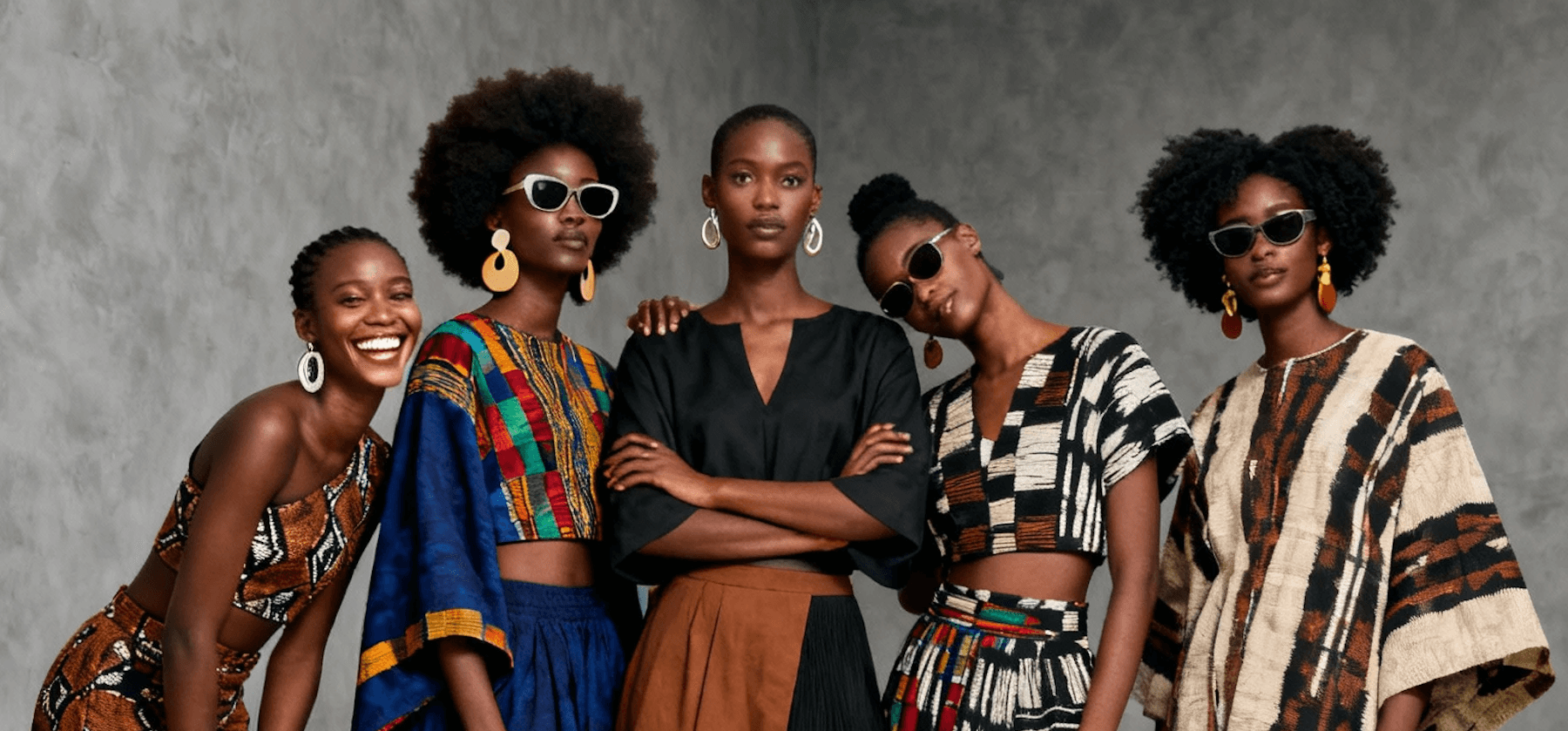
Over the course of two months, I explored how generative AI could reinterpret Afro-fusion aesthetics—textiles, braids, posture, and identity, without losing cultural integrity. What began as curiosity evolved into a public-facing collection that gained visibility and engagement on Lummi.
Growth Snapshot (60 Days):
346 images published
2.1k+ views
533 downloads
Featured multiple times on the Lummi homepage
This project widened my understanding of AI as a co-designer, and it continues to influence my approach to designing inclusive, globally aware product experiences.
My Role
AI Visual Archivist & Inclusive Generative Product Designer
I led the end-to-end process: cultural research, prompt system design, visual quality control, ethical curation, and publication on Lummi. My responsibilities included:
Designing prompt architecture to produce consistent, culturally grounded outputs
Evaluating imagery for bias, stereotype risks, and anatomical precision
Curating outputs into a coherent visual dataset
Documenting a workflow repeatable for future AI product use cases
Accessibility & Cultural Considerations
Designing for All People
Challenges
The most defining constraints
Recurring issues:
Challenge | Mitigation |
|---|---|
AI misinterpreting hairstyles, anatomy, and facial structure | Iterative prompt refinement + negative prompts |
Textiles are becoming distorted or cartoonish | Referenced real weaving, dyeing, and draping techniques |
Stereotypical “tribal fantasy” outputs | Language audit + research-backed vocabulary |
Over-futuristic looks are losing identity grounding | Softer tones, minimal accessories, editorial style |
Objectives
The goal was to focus on three core outcomes:
Explore how AI can support inclusive, culturally aware visual design
Build a scalable generative workflow for future product applications
Create a visual archive usable for identity systems, avatar design, digital fashion and brand creative
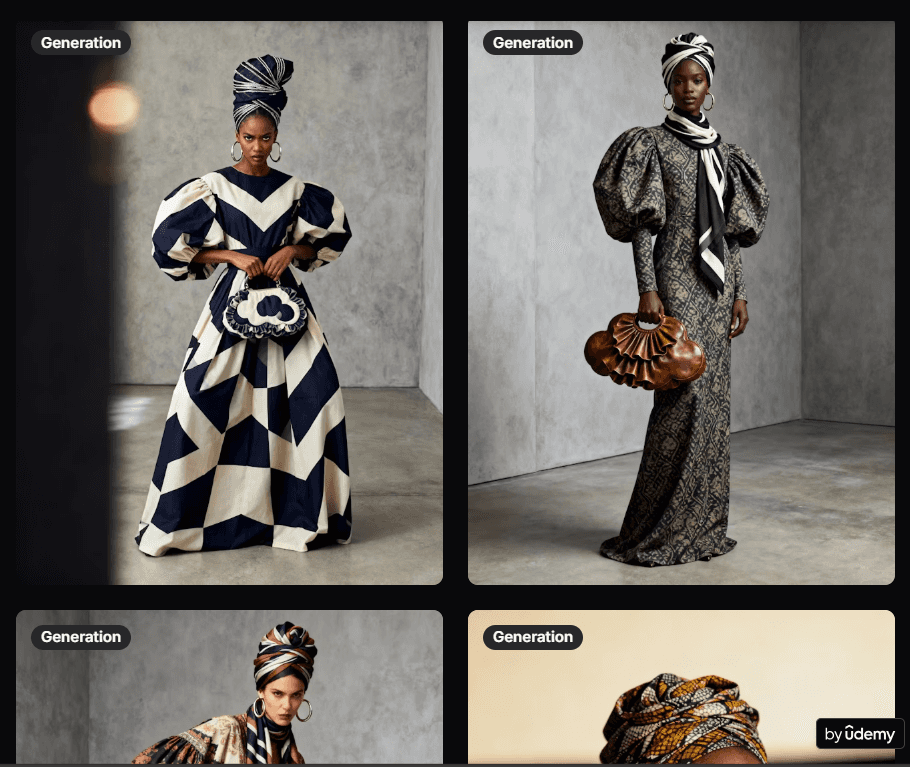
Early Output Insight
This image represents an early generative attempt and highlights the challenges of culturally accurate AI representation.
Research & Insights
Understanding Model Behaviours for Cultural Accuracy
As I generated and curated the Afro-Fusion archive, I paid close attention to how the AI behaved, what it understood, what it struggled with, and what cultural details needed more intentional guidance. Treating this like a design research exercise helped me uncover recurring patterns that shaped the entire workflow.
A few key insights stood out:
Cultural details need clarity, or the model defaults to a generic fashion
Hair textures and braids require precise language to stay accurate
Fabrics shift easily, so grounding prompts in real textiles improves authenticity
Lighting shapes mood and dignity, especially for portrait work
Negative prompts help remove stereotypes and distortions
These insights helped me create a more consistent, respectful, and visually strong system for generating culturally grounded fashion visuals.
Key Features & Improvements
Consistent Afro-Fusion visual identity
High-quality portraits with balanced lighting
More realistic fabric rendering
Clean, structured prompt workflows
Stronger cultural nuance across the collection
Engaging visuals that perform well in community platforms
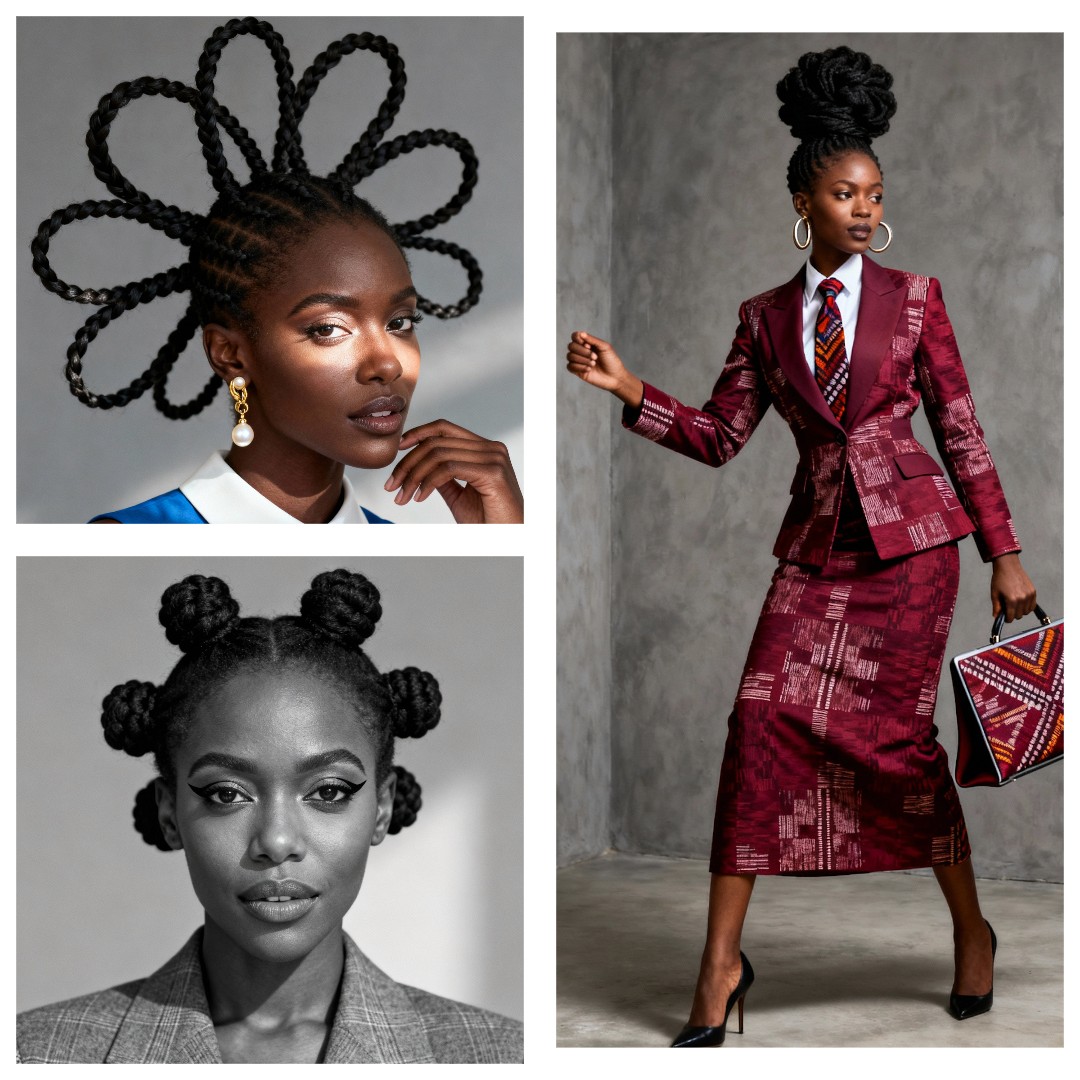
A collage showcasing improved AI-generated Afro-fusion portraits, with clearer fabrics, accurate braided hairstyles, refined silhouettes and more dignified expressions.
Solution
Building a culturally grounded generative system
I built a structured approach that improved consistency:
A standard prompt template for fashion poses, styling, and lighting
A cultural detail layer (fabric type, symbolism, regional inspiration)
A technical layer (camera, lens, composition)
A refinement layer (negative prompts, corrections)
This system allowed me to scale from a few images to hundreds while maintaining identity and quality.
The Systemic Approach
A Prompt Framework That Behaved Like a Design System
I created a layered prompt architecture that controlled silhouette, textiles, hair, accessories, mood and lighting.
This provided:
Predictable visual behaviour
Reduced distortion and bias
Stronger cultural accuracy
A cohesive look across 300+ images
By treating AI like a creative collaborator rather than a generator, I shaped a workflow that felt reliable, scalable and intentional.
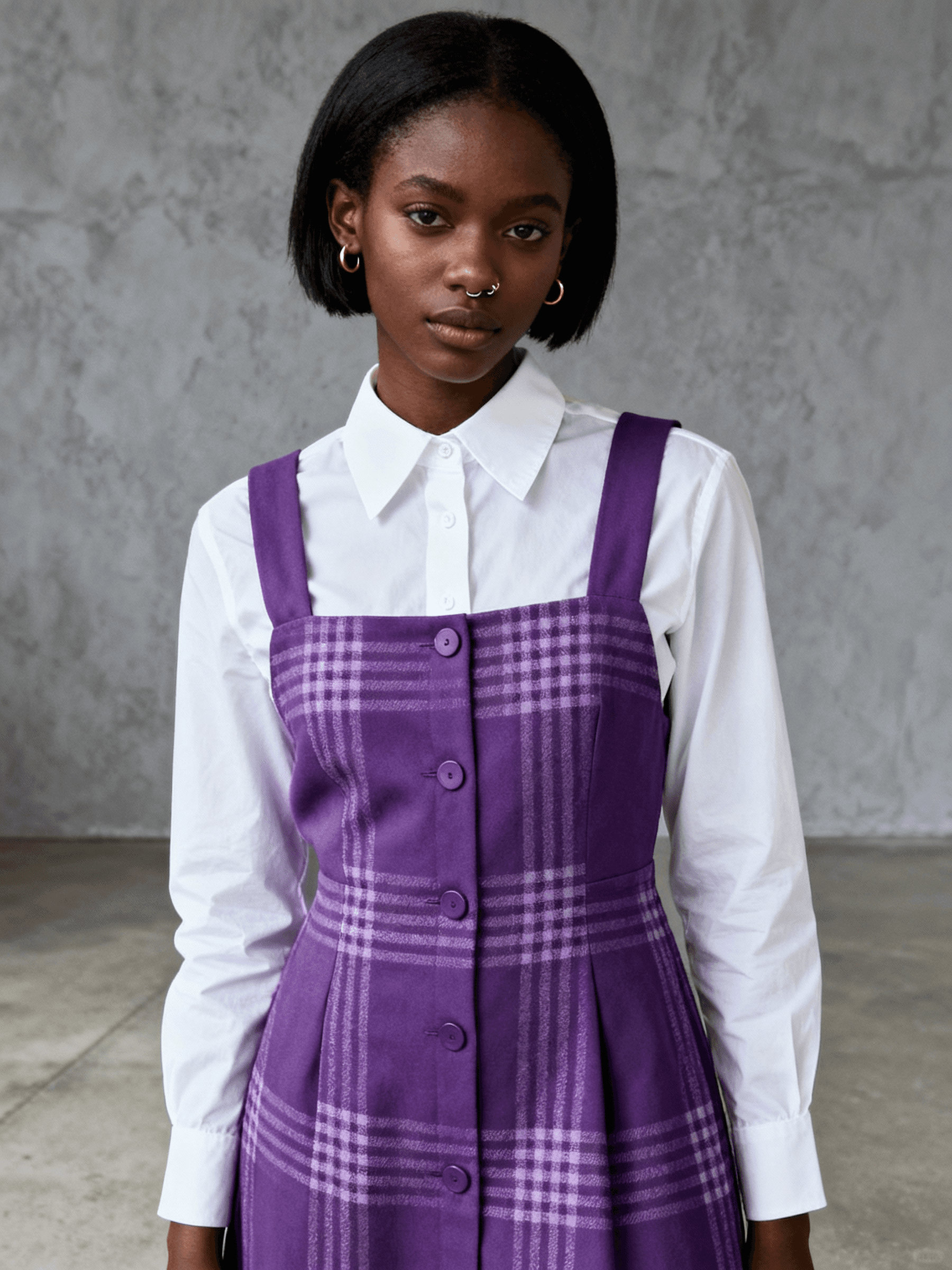
A stylish woman wearing a purple plaid dress layered over a crisp white shirt, accessorized with gold hoop earrings and a subtle nose ring. She stands against a minimalist gray backdrop with soft, even lighting that highlights the textures and clean silhouette.
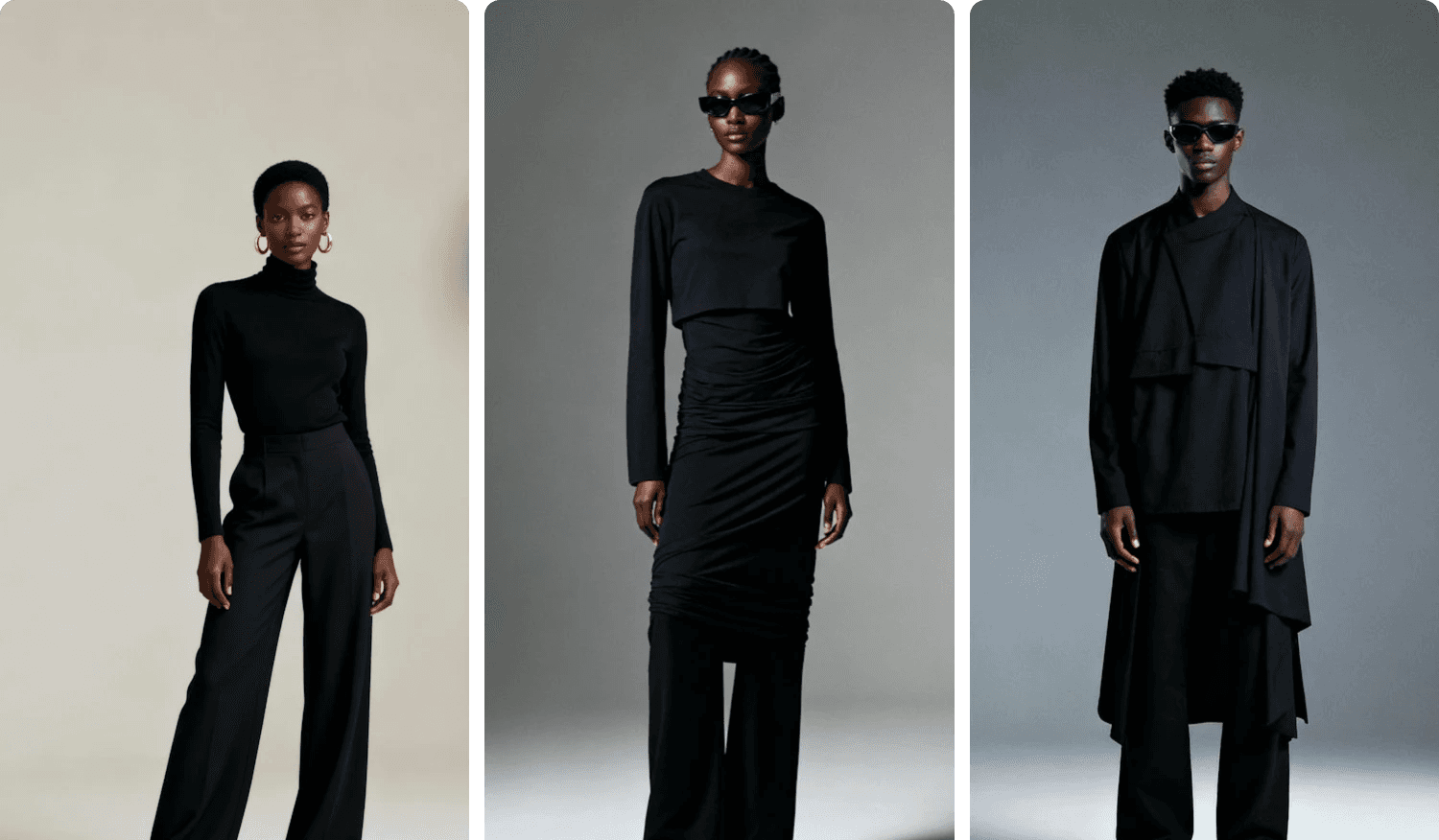
A curated set of the Afro-fusion visuals that were featured on the Lummi homepage.
My process
From cultural research to a repeatable, system-driven generative workflow
To create a cohesive Afro-Fusion fashion collection, I approached the project the same way I would structure a UX challenge — grounding the work in research, designing a reliable system, iterating deliberately and refining based on performance.
1. Cultural Inspiration Audit
Before crafting any prompts, I immersed myself in the visual language of African fashion and identity. I studied:
Textile dyes and indigo traditions
Kente, Ankara and geometric weaving structures
Hair braiding lineage and symbolic patterns
Contemporary silhouettes found in modern African couture
This research became the foundation of the visual system and ensured every output stayed culturally anchored instead of drifting into generic aesthetics.
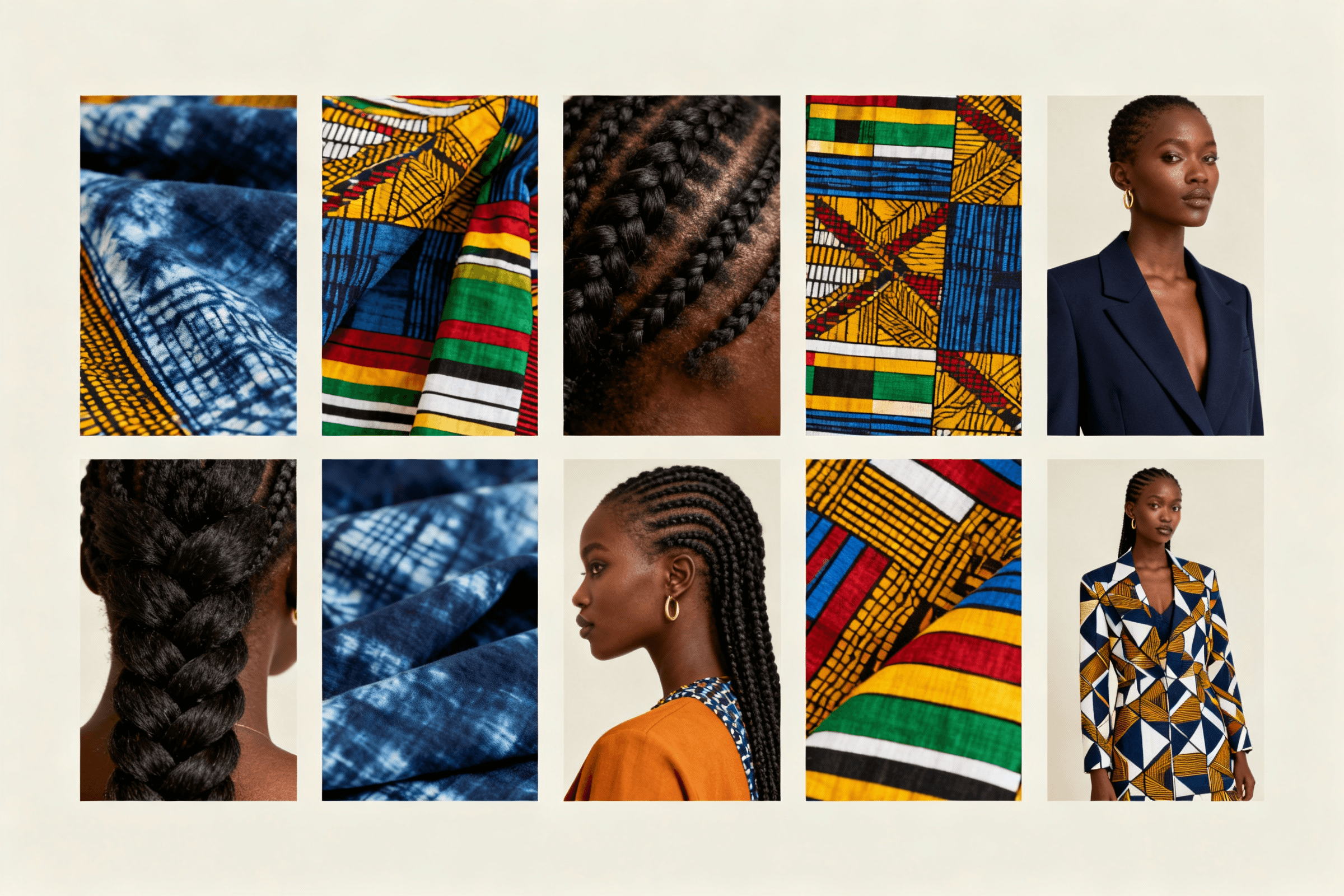
A Moodboard showcasing vibrant textiles, intricate braids, and a stylish model in patterned clothing, celebrating cultural and modern aesthetics.
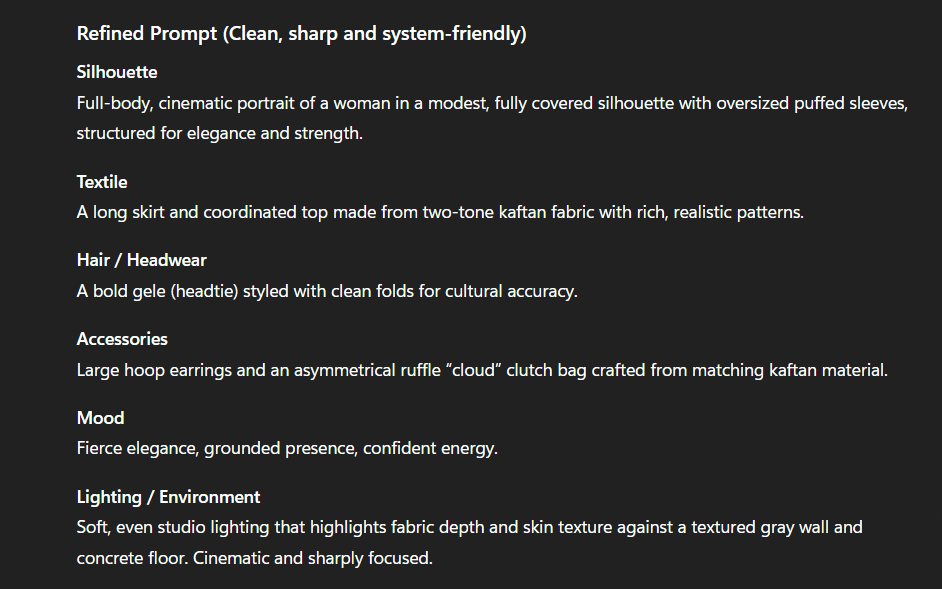
A screenshot of my Refined Prompt
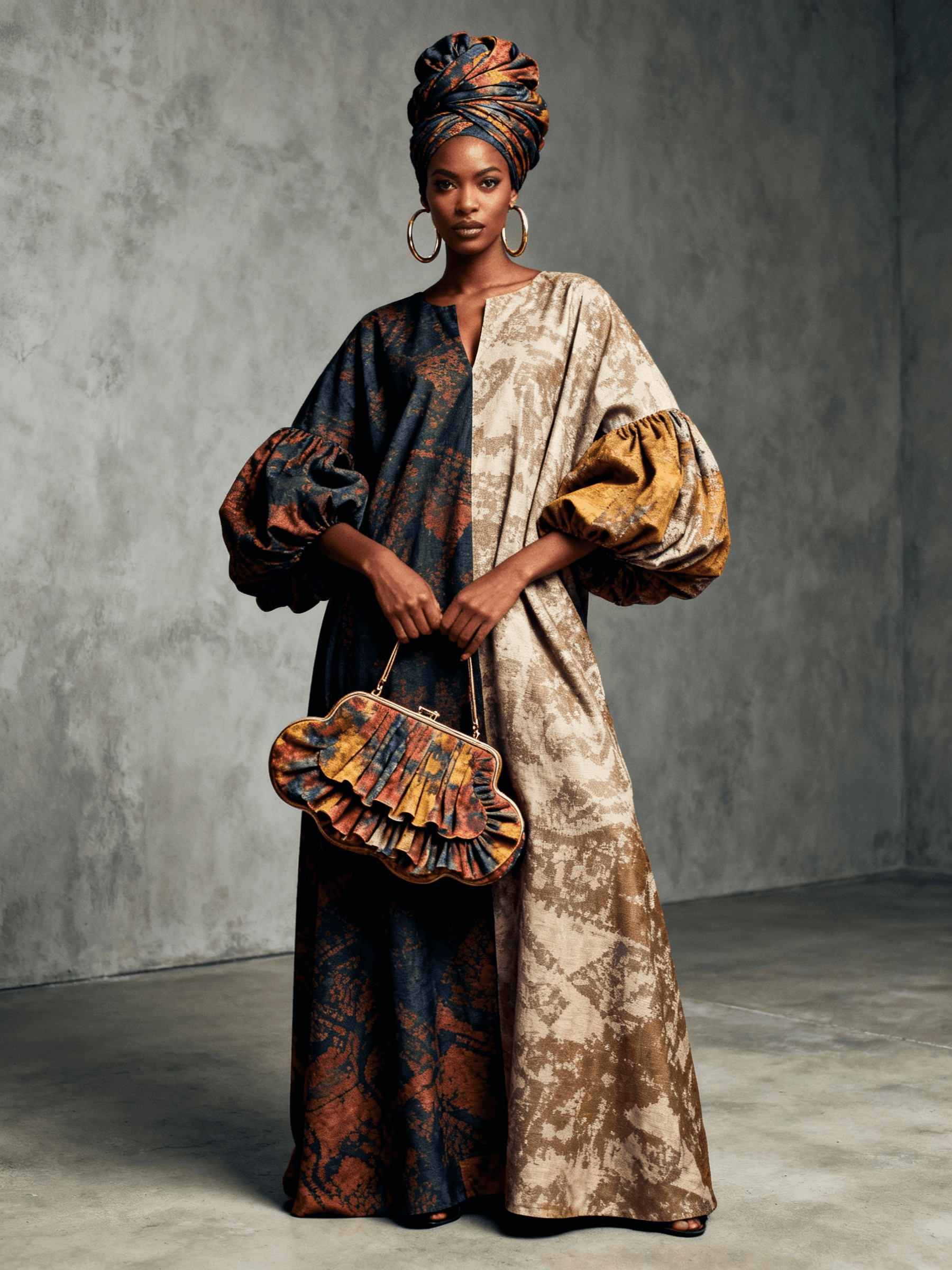
A collage of Lummi analytics
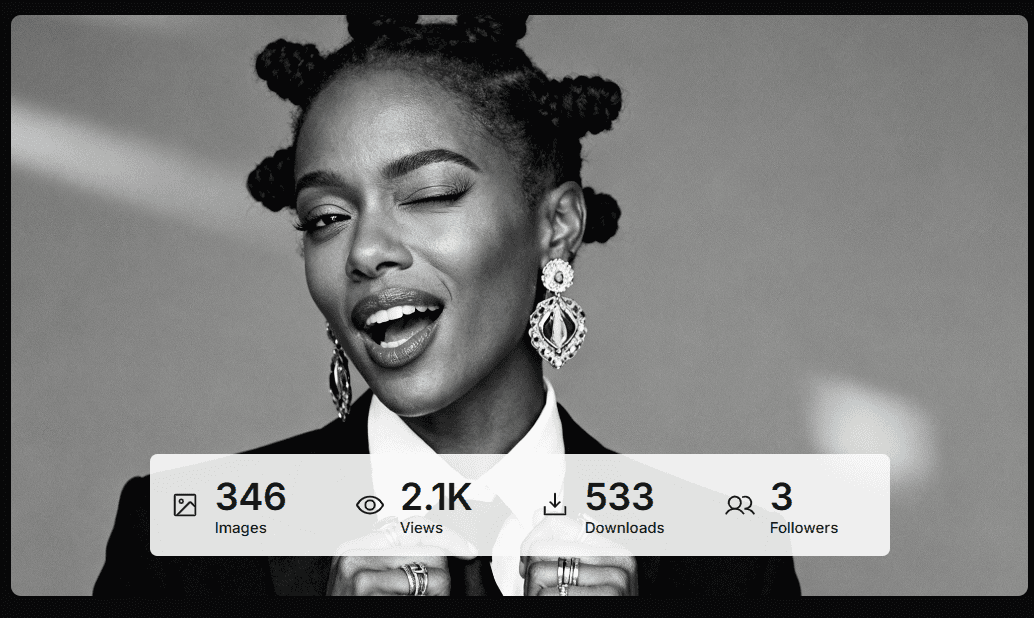
A collage of Lummi analytics
Design Reflections
What I Learned Along the Way
AI can amplify under-represented visual narratives when guided with care.
Cultural design is not decoration — it requires research, context, and humility.
Generative tools are powerful for rapid ideation in fashion, character design, and brand direction.
How this influences my product design practice
This work now informs how I approach AI in UX:
More thoughtful prompt engineering and iteration
Sensitivity to bias and representation in AI outputs
Visual systems that reflect global identities, not a single default
Where this could go next
This exploration could evolve into:
Generative textile systems for fashion and digital products
Avatar and character identity for virtual spaces
Visual direction for beauty, culture, and fashion tech brands
Key Results
346 images published
Multiple Lummi homepage features
2.1K views • 533 downloads • 3 followers
Framework adaptable for AI product teams exploring inclusive visual identity
Closing Thoughts
This collection started as a simple exploration… and became a cultural, creative, and technical case study.
It reinforced something I truly believe:
AI doesn’t replace creativity; it sharpens it.
And when guided with intention and cultural respect, it becomes a canvas for richer, bolder storytelling.